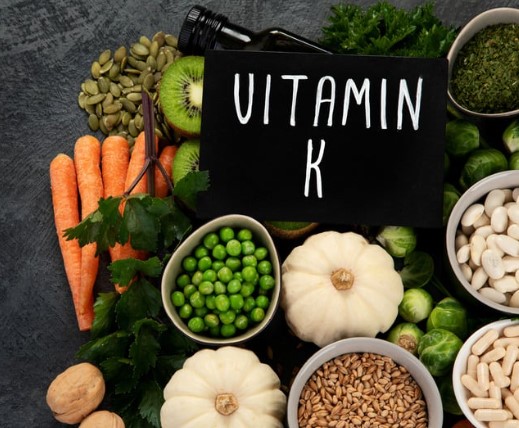



Vitamin K is a fat-soluble vitamin best known for its essential role in blood clotting and bone metabolism. Without it, the body cannot properly form prothrombin, a protein required for clot formation, which means even minor injuries could lead to excessive bleeding.
There are two main forms of vitamin K:
-
Vitamin K1 (phylloquinone) – found primarily in green leafy vegetables such as kale, spinach, broccoli, and lettuce.
-
Vitamin K2 (menaquinone) – found in fermented foods like natto, and in small amounts in animal products like eggs, meat, and cheese. K2 may be more effective at supporting bone and cardiovascular health.
Vitamin K plays a key role in activating proteins that help regulate calcium deposition. It directs calcium to the bones and teeth, where it’s needed, and prevents it from accumulating in arteries and soft tissues—helping to reduce the risk of arterial calcification and osteoporosis. This makes vitamin K crucial not only for strong bones but also for heart health.
New research suggests that vitamin K also has anti-inflammatory properties and may support brain health, although more studies are needed in this area.
The recommended daily intake is about 90–120 micrograms for adults, depending on age and sex. While deficiency is rare in healthy adults, it can occur in those with fat malabsorption disorders or who use long-term antibiotics or anticoagulants like warfarin, which interfere with vitamin K activity.
Signs of deficiency include easy bruising, excessive bleeding, and, over time, weakened bones.
Because vitamin K is fat-soluble, it’s best absorbed with dietary fat. A balanced diet with plenty of vegetables and fermented foods typically provides adequate intake.
In summary, vitamin K is an often-overlooked nutrient that plays a life-saving role in blood clotting and a long-term role in maintaining healthy bones and arteries.
Пронајдете не на следниве мрежи: