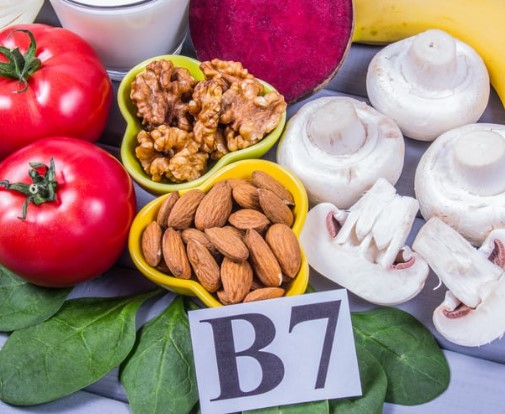



Vitamin B7, also known as biotin, is a water-soluble B vitamin most famous for supporting healthy hair, skin, and nails. However, its biological role goes far deeper—biotin is a crucial coenzyme involved in energy metabolism and the synthesis of fatty acids, amino acids, and glucose.
Biotin enables several essential enzymatic reactions that help the body break down carbohydrates, fats, and proteins, making it key for energy production and nutrient utilization. It also supports gene regulation and cell signaling, contributing to overall cellular health.
In the beauty world, biotin is often marketed for promoting hair growth, strengthening brittle nails, and improving skin hydration. While these claims are more pronounced in people with a deficiency, individuals with normal levels may still notice benefits when increasing their intake, especially if their diet lacks variety.
Biotin deficiency is rare but can be triggered by long-term antibiotic use, raw egg white consumption (due to the protein avidin binding to biotin), or certain genetic disorders. Symptoms include hair thinning, scaly skin, brittle nails, fatigue, and neurological issues like tingling or depression.
Good food sources of biotin include egg yolks, nuts and seeds, sweet potatoes, salmon, avocados, whole grains, and cauliflower. Since it is water-soluble, excess biotin is excreted in urine, making toxicity very rare.
The recommended daily intake for adults is about 30 micrograms, and needs may increase during pregnancy and breastfeeding.
In summary, vitamin B7 is a vital nutrient for metabolic health, cellular energy, and physical appearance. A balanced diet with biotin-rich foods can support both your inner functions and your outer glow.
Пронајдете не на следниве мрежи: