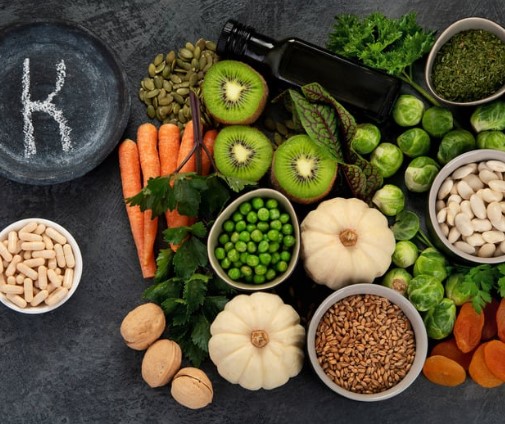



Vitamin K is a fat-soluble vitamin essential for blood clotting, bone strength, and arterial health. It activates proteins that regulate calcium in the body, ensuring that it is used where needed—such as in bones—and not deposited in soft tissues like blood vessels.
READ MORE ABOUT VITAMINS ON OUR WEBSITE HERE
OR CLICK ON THE PICTURE BELOW
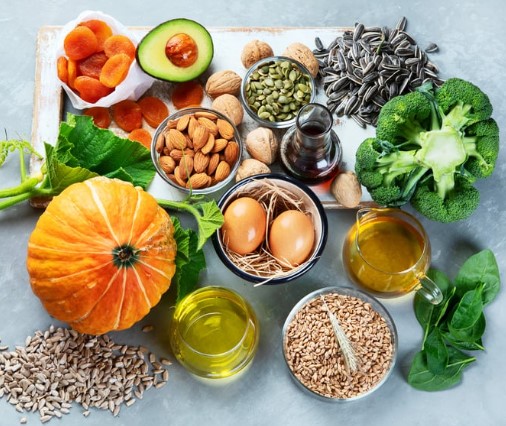
There are two primary forms:
-
Vitamin K1 (phylloquinone) – found mostly in leafy green vegetables like kale, spinach, and broccoli.
-
Vitamin K2 (menaquinone) – found in fermented foods (like natto), cheese, eggs, and meat. K2 is especially effective at supporting bone mineralization and vascular health.
Vitamin K’s most well-known function is activating clotting factors in the liver. Without it, even minor cuts could lead to excessive bleeding. This is why newborns are routinely given a vitamin K injection—to prevent internal bleeding due to their immature livers.
K2, on the other hand, helps activate proteins like osteocalcin and matrix GLA-protein, which direct calcium to the bones and teeth and away from arteries, helping prevent atherosclerosis and osteoporosis.
Deficiency is uncommon in healthy adults but may occur in those with fat malabsorption conditions (like celiac or Crohn’s disease), long-term antibiotic use, or liver disease. Symptoms include easy bruising, bleeding gums, or nosebleeds.
The recommended daily intake is about 90 mcg for women and 120 mcg for men. Since vitamin K is fat-soluble, it’s best absorbed when eaten with healthy fats (e.g., olive oil or avocado).
In summary, vitamin K may work quietly, but its contributions to clotting, calcium balance, and bone resilience are vital. A diet rich in greens and fermented foods ensures your body can use calcium effectively—supporting strong bones and a healthy heart.
Пронајдете не на следниве мрежи: