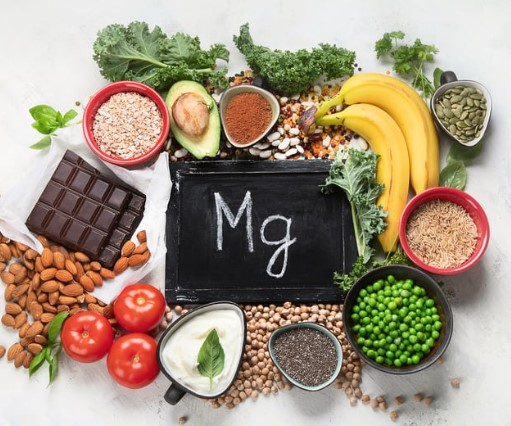



Magnesium is a major mineral involved in over 300 biochemical reactions in the human body. It’s essential for muscle relaxation, nerve transmission, energy production, blood sugar control, and bone strength. Often called the “anti-stress” mineral, magnesium helps the body calm the nervous system, regulate heartbeat, and maintain electrolyte balance.
READ MORE ABOUT VITAMINS AND MINERALS ON OUR WEBSITE HERE
Magnesium plays a key role in converting food into energy and synthesizing proteins and DNA. It also works hand in hand with calcium to control muscle contractions. While calcium makes muscles contract, magnesium helps them relax—which is why low magnesium can lead to muscle cramps, spasms, and even restless legs.
This mineral also supports mental health, and research suggests it may help reduce anxiety, depression, and insomnia. It’s important for keeping blood pressure in check and may reduce the risk of type 2 diabetes and cardiovascular disease.
Good dietary sources include nuts (especially almonds and cashews), seeds, whole grains, legumes, leafy greens, avocados, and dark chocolate. Despite being present in many foods, modern diets often fall short due to food processing and depleted soil.
The recommended daily intake for adults is about 310–420 mg, depending on age and sex. Deficiency is surprisingly common and may present as fatigue, irritability, numbness, or muscle weakness.
Magnesium supplements come in various forms, such as magnesium citrate, glycinate, and oxide, each with different absorption rates and uses. However, excessive supplementation may cause digestive upset (like diarrhea), so balance is key.
In summary, magnesium is the foundation of calm and strength, powering your muscles, nerves, and metabolism. Regular intake through whole foods supports deep health, stable mood, and resilient energy.
Пронајдете не на следниве мрежи: