


Chloride is an essential electrolyte mineral that works hand-in-hand with sodium and potassium to maintain your body’s fluid balance, acid-base equilibrium, and nerve signal transmission. It plays a key role in keeping cells properly hydrated and organs functioning smoothly.
EVERYTING ON MINERALS AND VITAMINS – HERE
One of chloride’s most important functions is in forming hydrochloric acid (HCl) in the stomach, which is crucial for digesting proteins and absorbing nutrients like iron and vitamin B12. Without enough chloride, stomach acid production may be impaired, leading to digestive issues such as bloating, heartburn, or nutrient malabsorption.
Alongside sodium and potassium, chloride also helps regulate the osmotic pressure in and around cells—ensuring that water moves appropriately between blood vessels and tissues. This is vital for maintaining blood pressure, preventing dehydration, and supporting muscle and nerve function.
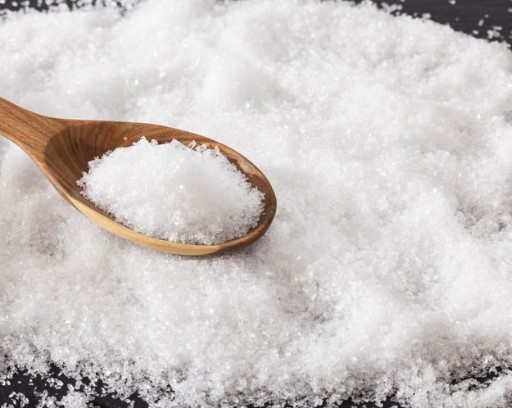
The primary source of chloride in the diet is table salt (sodium chloride), but it’s also found in seaweed, celery, olives, tomatoes, lettuce, and processed foods. Since most people consume salt regularly, chloride deficiency is rare, but it can occur with excessive fluid loss from vomiting, diarrhea, or heavy sweating.
The recommended daily intake of chloride is approximately 2,300 mg for adults, roughly the same as for sodium. Too little can result in fatigue, muscle cramps, or alkalosis (an imbalance in blood pH), while excessive chloride intake—especially from high salt consumption—may contribute to high blood pressure and kidney strain.
In summary, chloride is a silent but crucial partner in the body’s hydration, pH balance, and digestive power. Ensuring a moderate salt intake through a balanced diet helps maintain healthy chloride levels and overall electrolyte harmony.
Пронајдете не на следниве мрежи: