

Iron is a vital mineral best known for its role in transporting oxygen throughout the body. It’s an essential component of hemoglobin, the protein in red blood cells that binds to oxygen in the lungs and carries it to tissues. Without enough iron, your cells can’t get the oxygen they need, leading to fatigue, weakness, and impaired performance.
READ MORE ABOUT VITAMINS AND MINERALS ON OUR WEBSITE HERE
Iron also plays a key role in energy production, immune function, and brain development, particularly in children and adolescents. It helps form myoglobin (which stores oxygen in muscles), and supports the synthesis of enzymes and neurotransmitters like dopamine and serotonin.
Vitamin A: Essential for Vision, Immunity, and Cellular Health
There are two types of dietary iron:
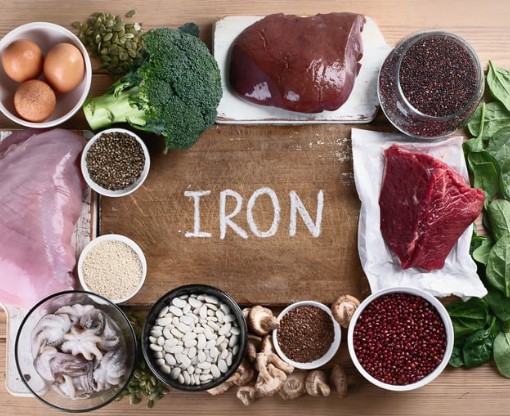
Heme iron – found in animal products like red meat, poultry, and fish; it is well absorbed by the body.
Non-heme iron – found in plant foods like lentils, beans, spinach, tofu, and fortified cereals; it is less readily absorbed but can be enhanced with vitamin C.
Iron deficiency is the most common nutritional deficiency worldwide, leading to iron-deficiency anemia. This condition is marked by fatigue, shortness of breath, dizziness, and pale skin. At-risk groups include menstruating women, pregnant women, infants, and vegetarians.
Vitamin D: The Sunshine Vitamin for Bones, Immunity, and More
The recommended daily intake varies by age and gender:
Men: 8 mg/day
Women (19–50 years): 18 mg/day
Pregnant women: 27 mg/day
Too much iron, especially from supplements, can cause toxicity and damage organs—so supplementation should be done under medical supervision.
In summary, iron is the lifeblood of energy and oxygen delivery. Ensuring proper intake through a balanced diet—especially with vitamin C-rich foods—can keep your energy high and your cells functioning optimally.
Пронајдете не на следниве мрежи: