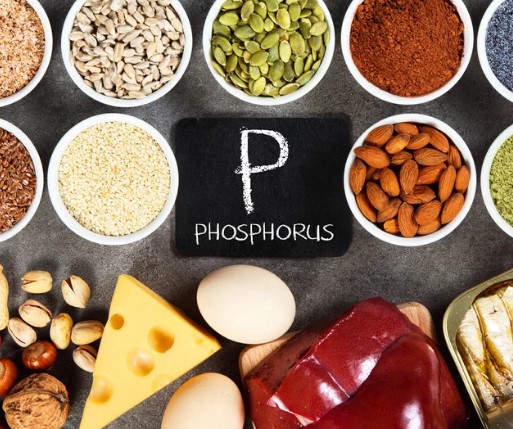



Phosphorus is the second most abundant mineral in the human body, after calcium. About 85% of it is found in bones and teeth, where it contributes to their structure and strength. But phosphorus also plays a vital role in cellular energy production, DNA synthesis, and acid-base balance.
Sodium: The Vital Electrolyte for Fluid Balance and Nerve Function
Every cell in your body needs phosphorus to function. It is a key component of adenosine triphosphate (ATP) — the molecule that stores and transports energy in cells. Without adequate phosphorus, your body would struggle to generate energy from food. It also helps regulate the pH level of blood, keeping your internal environment stable and functioning.
READ MORE ABOUT VITAMINS AND MINERALS ON OUR WEBSITE HERE
Phosphorus works closely with calcium to maintain strong bones, and the two must be balanced—too much phosphorus (especially from processed foods or soft drinks) can interfere with calcium absorption and weaken bones over time.
Good sources of phosphorus include meat, poultry, fish, dairy, eggs, nuts, seeds, whole grains, and legumes. Processed foods often contain phosphate additives, which are highly absorbable and can contribute to excess intake.
The recommended daily intake for adults is about 700 mg per day. Most people meet this requirement easily through diet. However, individuals with kidney disease must often limit phosphorus intake, as the kidneys may struggle to excrete it, leading to dangerous levels in the blood.
Deficiency is rare but may occur in cases of malnutrition, alcoholism, or chronic illness, resulting in fatigue, muscle weakness, bone pain, or irregular breathing.
In summary, phosphorus is the fuel-line and framework of the body—powering every cell and supporting a strong skeletal system. A balanced diet with whole foods ensures optimal levels for both bone integrity and cellular energy.
Пронајдете не на следниве мрежи: