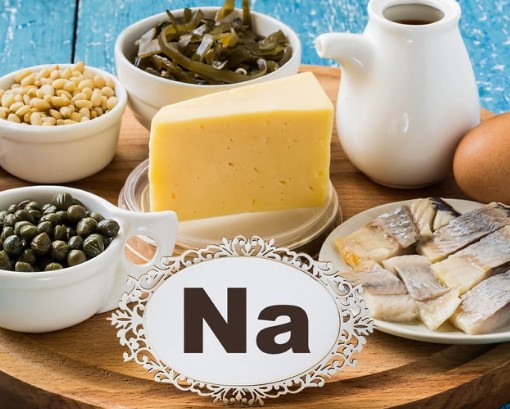



Sodium is an essential mineral and electrolyte that plays a critical role in maintaining fluid balance, nerve transmission, and muscle function. Despite its often negative reputation, sodium is vital for survival—but only in the right amount.
Sodium works closely with potassium to regulate osmotic pressure—the balance of fluids inside and outside your cells. It also helps conduct electrical impulses across nerves, enabling muscle contractions, including the heartbeat. Without adequate sodium, the body cannot maintain stable blood pressure, hydration, or cellular communication.
READ MORE ABOUT VITAMINS AND MINERALS ON OUR WEBSITE HERE
However, excess sodium—primarily from processed and packaged foods—is a major contributor to hypertension (high blood pressure), which increases the risk of heart disease, stroke, and kidney damage. On the other hand, too little sodium (hyponatremia) can cause nausea, muscle cramps, confusion, and in severe cases, seizures or coma.
Natural sodium sources include sea salt, celery, beets, and milk, but most dietary sodium comes from table salt (sodium chloride) and additives in processed foods.
Vitamin A: Essential for Vision, Immunity, and Cellular Health
The recommended daily intake is less than 2,300 mg per day (about 1 teaspoon of salt), though most people consume significantly more. Athletes or those in hot climates may need more due to sodium loss through sweat, but balance is always key.
Vitamin D: The Sunshine Vitamin for Bones, Immunity, and More
Monitoring sodium intake involves more than avoiding the salt shaker—it’s about reducing consumption of high-sodium processed foods like canned soups, deli meats, snacks, and fast food.
In summary, sodium is an essential but double-edged mineral. It’s necessary for hydration, nerve function, and muscle control, but moderation is crucial. Striking the right balance supports long-term cardiovascular and neurological health.
Пронајдете не на следниве мрежи: