


Vitamin B5, also known as pantothenic acid, is a water-soluble B vitamin that plays a fundamental role in the metabolism of carbohydrates, fats, and proteins. Its name comes from the Greek word “pantothen,” meaning “from everywhere,” which reflects its wide availability in foods.
Pantothenic acid is essential for the production of coenzyme A (CoA), a molecule required for a wide range of biochemical reactions, including the Krebs cycle, where the body generates energy. CoA is also critical for fatty acid synthesis and breakdown, hormone production, and the formation of neurotransmitters and red blood cells.
Vitamin B5 also plays a role in maintaining healthy skin, hair, and mucous membranes, and it’s often used in skincare products to promote wound healing and reduce inflammation.
Although deficiency is rare, it can cause symptoms like fatigue, irritability, numbness, muscle cramps, and digestive disturbances. Severe deficiency may contribute to a condition known as “burning feet syndrome,” most often seen in cases of malnutrition or extreme deprivation (e.g., in wartime or famine).
Vitamin A: Essential for Vision, Immunity, and Cellular Health
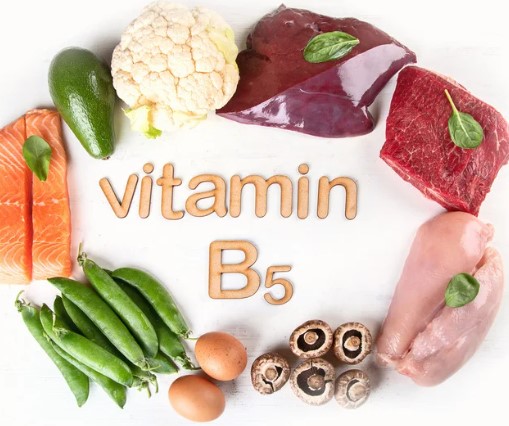
Good food sources of vitamin B5 include chicken, beef, egg yolks, whole grains, avocados, mushrooms, legumes, and sweet potatoes. Since it is found in a variety of foods, most people get enough through a balanced diet.
The recommended daily intake for adults is around 5 mg, with increased needs during pregnancy and breastfeeding.
Pantothenic acid is water-soluble and easily lost during food processing and cooking, so fresh and minimally processed foods are best.
In summary, vitamin B5 is a core nutrient for energy production, hormone synthesis, and cellular repair. Its universal presence in food and biological importance make it a cornerstone of daily vitality and wellness.
Пронајдете не на следниве мрежи: