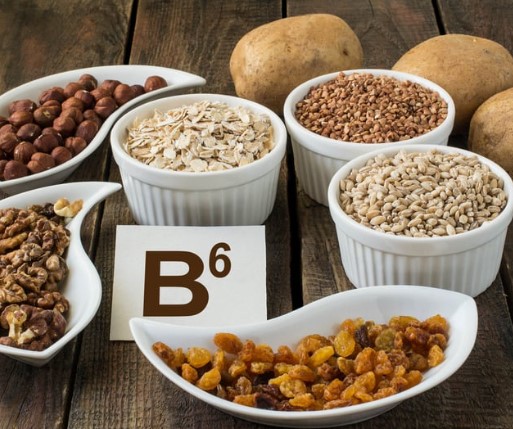



Vitamin B6, commonly known as pyridoxine, is a water-soluble vitamin that plays a central role in brain development, nervous system function, and mood regulation. It’s involved in over 100 enzymatic reactions, primarily related to protein metabolism, and is critical for converting food into energy.
One of B6’s most important roles is in the synthesis of neurotransmitters such as serotonin, dopamine, GABA, and norepinephrine. These brain chemicals influence mood, focus, and sleep—making B6 essential for emotional balance and cognitive health. It also helps regulate homocysteine, an amino acid linked to heart disease when elevated.
B6 supports the immune system, promotes red blood cell formation, and contributes to hormonal balance, which is why it’s often recommended to ease PMS symptoms. It’s also important during pregnancy, as it aids fetal brain development and may help relieve morning sickness.
Deficiency is relatively uncommon but can occur in those with alcohol dependence, kidney disease, or on certain medications (like isoniazid or oral contraceptives). Symptoms include irritability, depression, confusion, weakened immunity, and cracks at the corners of the mouth.
Vitamin A: Essential for Vision, Immunity, and Cellular Health
Food sources rich in B6 include poultry, fish, bananas, potatoes, spinach, fortified cereals, and legumes. Cooking and processing can reduce B6 content, so fresh and lightly cooked foods are best.
The recommended daily intake for adults is about 1.3–1.7 mg, depending on age and sex. High doses from supplements should be taken with caution, as extremely large amounts can lead to nerve damage over time.
In summary, vitamin B6 is your mood-stabilizing, brain-supporting, energy-boosting ally, crucial for both mental and physical health.
Пронајдете не на следниве мрежи: