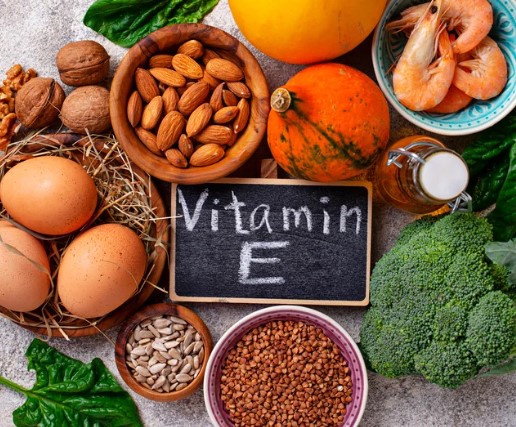



Vitamin E is a powerful fat-soluble antioxidant that plays a central role in protecting cells from oxidative stress, supporting immune function, and promoting skin and eye health. It encompasses a group of compounds known as tocopherols and tocotrienols, with alpha-tocopherol being the most biologically active form in humans.
As an antioxidant, vitamin E neutralizes free radicals—unstable molecules that can damage cells and contribute to aging and chronic diseases such as cancer, cardiovascular disease, and neurodegenerative disorders. This protective function is especially important in tissues with high fat content, like the brain and cell membranes, where vitamin E helps maintain integrity and function.
Vitamin E is also vital for immune health. It enhances the activity of immune cells and has anti-inflammatory properties that help the body resist infection and recover from illness. Studies show that adequate vitamin E levels are particularly beneficial in maintaining immune strength in older adults.
Another important role is in skin health. Vitamin E supports skin repair and hydration, protects against UV damage, and is commonly used in skincare products to reduce scars and wrinkles. It also contributes to eye health, working in synergy with other antioxidants to prevent age-related macular degeneration.
Good dietary sources include nuts (almonds, hazelnuts), seeds (sunflower), vegetable oils (wheat germ, sunflower, safflower), leafy greens, and fortified cereals. Since it is fat-soluble, vitamin E absorption is enhanced when consumed with healthy fats.
The recommended daily intake for adults is around 15 mg (22.4 IU). Deficiency is rare but can occur in people with fat absorption disorders, leading to muscle weakness, vision problems, or neurological issues.
Vitamin E’s role as a cellular protector makes it a cornerstone of long-term wellness, supporting both inner vitality and outward radiance.
Пронајдете не на следниве мрежи: