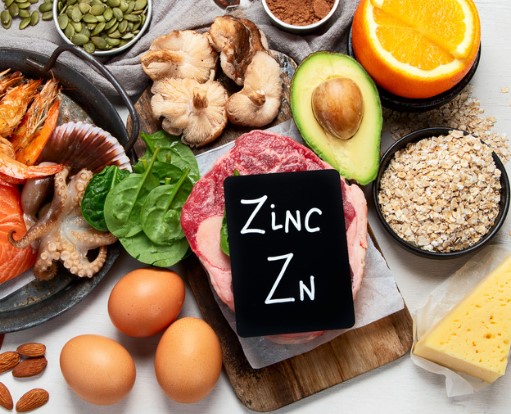



Zinc is a trace mineral that plays a critical role in immune defense, wound healing, cell growth, and DNA synthesis. Though needed in small amounts, it is involved in over 300 enzyme reactions in the body, making it essential for maintaining health and fighting off disease.
READ MORE ABOUT VITAMINS AND MINERALS ON OUR WEBSITE HERE
Zinc is especially known for its impact on the immune system. It helps activate white blood cells and supports the body’s response to infections and inflammation. Deficiency in zinc is linked to increased susceptibility to colds, respiratory infections, and slower healing of wounds.
This mineral also supports skin health, reproductive function, taste and smell, and vision. It plays a role in testosterone production in men and contributes to healthy growth and development in children and adolescents.
Good dietary sources include red meat, shellfish (especially oysters), seeds (pumpkin and sesame), nuts, legumes, dairy, and whole grains. While plant sources contain zinc, they also contain phytates, compounds that can reduce zinc absorption—so vegetarians and vegans may need slightly higher intakes.
The recommended daily intake is about 8 mg for women and 11 mg for men, with higher needs during pregnancy, lactation, or illness. Zinc lozenges are often used to shorten the duration of colds when taken early.
Vitamin A: Essential for Vision, Immunity, and Cellular Health
Zinc deficiency can result in impaired immunity, hair loss, diarrhea, delayed wound healing, and skin lesions. It is most common in populations with limited access to animal protein or in people with digestive disorders.
In summary, zinc is the micronutrient powerhouse that protects, repairs, and regenerates. Whether you’re fighting a cold, recovering from injury, or just aiming for better health, zinc is your internal first responder.
Пронајдете не на следниве мрежи: